Posted by BONCOO FASTENERS on Apr 2nd 2026
The Complete Guide to DIN 934 304 Stainless Steel Hex Nuts: Selection, Specifications & Best Practices
Introduction
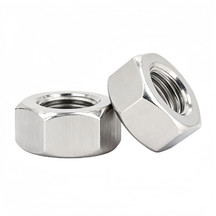
Hex nuts are the unsung heroes of industrial, commercial, and residential projects, holding together everything from heavy machinery to outdoor furniture and food processing equipment. Among the most widely used options worldwide, DIN 934 304 stainless steel hex nuts stand out for their unbeatable combination of universal compatibility, corrosion resistance, and cost-effectiveness.
For procurement teams, maintenance technicians, and project managers, selecting the right hex nut isn’t just about matching a thread size—it’s about ensuring long-term reliability, compliance with industry standards, and optimal performance in your specific application. In this comprehensive guide, we’ll break down everything you need to know about DIN 934 304 stainless steel hex nuts, from core specifications to selection best practices, to help you make informed purchasing decisions for your next project.
What Are DIN 934 304 Stainless Steel Hex Nuts?
First, let’s clarify the core terms to eliminate any confusion:
- DIN 934: This is the European standard for metric hexagon regular nuts, the most widely recognized metric nut standard globally. It defines strict dimensional tolerances, thread pitch, mechanical properties, and testing requirements, ensuring full interchangeability with matching metric bolts and screws across manufacturers. Unlike imperial standards, DIN 934 is optimized for metric sizing, making it the go-to choice for international industrial projects, machinery manufacturing, and cross-border supply chains.
- 304 Stainless Steel: Also known as 18/8 stainless steel, this austenitic grade contains 18% chromium and 8% nickel, the industry benchmark for general-purpose corrosion-resistant fasteners. It offers excellent resistance to atmospheric corrosion, mild chemical exposure, and oxidation at moderate temperatures, while maintaining consistent mechanical strength and machinability.
- Hex Nut Design: The six-sided (hexagonal) shape provides maximum grip for wrenches and installation tools, reducing the risk of rounding during tightening, and allows for easy installation in tight spaces—critical for both manual and automated assembly.
Key Specifications of DIN 934 304 Stainless Steel Hex Nuts (M3 to M16)
DIN 934 nuts are available in a full range of metric sizes, with M3 to M16 being the most commonly used for industrial, commercial, and DIY applications. Below are the core dimensional specifications for these standard sizes, ensuring you can match them perfectly to your corresponding bolts:
表格
| Nut Size | Thread Pitch (mm) | Across Flats (mm) | Nut Thickness (mm) |
|---|---|---|---|
| M3 | 0.5 | 5.5 | 2.4 |
| M4 | 0.7 | 7 | 3.2 |
| M5 | 0.8 | 8 | 4.0 |
| M6 | 1.0 | 10 | 5.0 |
| M7 | 1.0 | 11 | 5.5 |
| M8 | 1.25 | 13 | 6.5 |
| M9 | 1.25 | 15 | 7.0 |
| M10 | 1.5 | 16 | 8.0 |
| M11 | 1.5 | 18 | 9.0 |
| M12 | 1.75 | 19 | 10.0 |
| M13 | 1.75 | 21 | 11.0 |
| M14 | 2.0 | 22 | 11.5 |
| M15 | 2.0 | 24 | 12.0 |
| M16 | 2.0 | 24 | 13.0 |
All DIN 934 304 stainless steel hex nuts from BONCOO FASTENERS comply with these strict dimensional standards, with Class 6 thread fit for consistent, secure fastening, and full traceability for industrial compliance requirements.
Core Advantages of 304 Stainless Steel for Hex Nuts
When compared to carbon steel, zinc-plated steel, or other stainless steel grades, 304 stainless steel offers unique benefits that make it the preferred choice for 80% of general-purpose fastening applications:
- Superior Corrosion Resistance: The chromium-nickel alloy forms a passive oxide layer on the surface, which self-repairs when scratched, preventing rust and corrosion in indoor, outdoor, and mildly corrosive environments. Unlike zinc-plated carbon steel nuts, which will rust once the plating is damaged, 304 stainless steel maintains its corrosion resistance for the lifetime of the fastener.
- Exceptional Cost-Effectiveness: 304 stainless steel delivers nearly all the corrosion resistance of premium grades like 316 stainless steel, at a significantly lower cost. For most non-extreme applications, it provides the optimal balance of performance and budget-friendliness, reducing your overall procurement costs without compromising reliability.
- Consistent Mechanical Performance: 304 stainless steel offers a tensile strength of 500-700 MPa, with excellent yield strength and ductility, making it suitable for most static and moderate dynamic load applications. It maintains its mechanical properties at temperatures ranging from -20°C to 260°C, with no brittleness at low temperatures, unlike carbon steel.
- Food-Grade Compatibility: 304 stainless steel is FDA-approved for food contact, making it safe for use in food and beverage processing equipment, commercial kitchen appliances, and pharmaceutical manufacturing—critical for industries with strict hygiene requirements.
- Easy Machinability & Installation: 304 stainless steel is highly machinable, with consistent thread quality that ensures smooth installation and removal, even after long-term exposure to the elements. It is fully compatible with standard installation tools, with no special equipment required.
Step-by-Step Guide to Selecting the Right DIN 934 Hex Nut
Selecting the correct nut isn’t just about picking the right size—you need to match the fastener to your application’s unique requirements. Follow this step-by-step process to avoid costly mistakes:
- Match the Bolt Size & Thread Pitch: The first and most critical step is to ensure your nut matches the corresponding bolt’s metric size and thread pitch. A DIN 934 M8 nut with a 1.25mm thread pitch will only fit an M8 bolt with a 1.25mm thread pitch—mismatched threads will result in stripped fasteners, loose connections, and safety hazards.
- Evaluate Your Operating Environment: Assess the environmental conditions the nut will be exposed to. 304 stainless steel is ideal for indoor use, general outdoor exposure, non-coastal areas, and mildly corrosive environments. For applications with constant exposure to saltwater, chlorides, or strong acids/alkalis, you may need to upgrade to 316 stainless steel.
- Confirm Load & Torque Requirements: For structural or high-load applications, verify that the nut’s mechanical properties meet your project’s load and torque specifications. DIN 934 304 stainless steel nuts are suitable for most general load applications; for extreme high-load scenarios, consult with a fastener engineer to confirm compatibility.
- Verify Compliance & Certification: For industrial, food-grade, or construction projects, ensure your nuts meet relevant industry standards and certifications. All BONCOO FASTENERS DIN 934 nuts comply with DIN standards, with material certification available upon request for compliance documentation.
- Consider Bulk Procurement & Inventory Needs: For ongoing projects, standardizing on DIN 934 304 stainless steel nuts across your operations simplifies inventory management, reduces procurement complexity, and lowers per-unit costs through bulk purchasing.
Best Practices for Installation & Long-Term Performance
Even the highest-quality hex nut will fail if installed incorrectly. Follow these best practices to maximize the lifespan and performance of your DIN 934 304 stainless steel hex nuts:
- Use the Correct Torque: Always follow industry-recommended torque specifications for your nut size. Over-tightening can strip threads, deform the nut, or cause bolt breakage, while under-tightening will result in loose connections and safety risks.
- Use Matching Washers Where Needed: For applications with uneven surfaces, vibration, or high clamping force, use flat washers to distribute the load evenly across the nut and mating surface, reducing the risk of loosening and surface damage. For high-vibration applications (e.g., automotive, machinery), add a lock washer or nylon insert lock nut to prevent loosening over time.
- Avoid Galvanic Corrosion: 304 stainless steel nuts should be paired with 304 stainless steel bolts to prevent galvanic corrosion, which occurs when two dissimilar metals are in contact in a moist environment. Never pair a stainless steel nut with a carbon steel bolt for outdoor or corrosive applications.
- Clean & Lubricate Threads Before Installation: For critical applications, clean the bolt and nut threads to remove dirt, debris, or contaminants, and apply a stainless steel-compatible anti-seize lubricant to prevent galling (thread seizing) during tightening, especially for larger nut sizes (M10 and above).
- Inspect Fasteners Regularly: For outdoor or high-stress applications, inspect nuts periodically for signs of corrosion, loosening, or damage, and replace any compromised fasteners immediately to maintain structural integrity.
Common Mistakes to Avoid
Even experienced procurement and installation teams make these common errors—avoid them to ensure reliable fastening:
- Mismatching Thread Sizes or Pitches: Using a nut with the wrong thread pitch, even if the nominal size matches, will damage threads and create an unsafe connection. Always verify both size and pitch before purchasing.
- Overlooking Environmental Requirements: Using carbon steel or zinc-plated nuts in outdoor or corrosive environments will result in rapid rusting and failure. 304 stainless steel is the minimum recommended grade for any outdoor application.
- Over-Tightening Fasteners: Using an impact wrench without torque control is the leading cause of stripped threads and broken fasteners. Always use a calibrated torque wrench for critical applications.
- Using Non-Matching Materials: Pairing stainless steel nuts with carbon steel bolts will lead to galvanic corrosion, even in dry indoor environments. Always match the nut and bolt material for long-term reliability.
- Ignoring Standard Compliance: Using non-standard nuts that do not meet DIN 934 specifications will result in dimensional inconsistencies, poor fit, and compatibility issues with standard bolts and tools.
Conclusion
DIN 934 304 stainless steel hex nuts are the most versatile, reliable, and cost-effective fastening solution for the vast majority of industrial, commercial, and residential applications. Their universal standardization, excellent corrosion resistance, and consistent mechanical performance make them the go-to choice for procurement teams, contractors, and manufacturers worldwide.
At BONCOO FASTENERS, we stock a full range of DIN 934 304 stainless steel hex nuts, from M3 to M16, with full compliance with international standards, competitive bulk pricing, and fast global shipping. Whether you need a small batch for a maintenance project or a large bulk order for ongoing manufacturing, we have the inventory and expertise to support your needs.
Ready to Source Reliable DIN 934 Hex Nuts?
[Shop our full range of DIN 934 304 stainless steel hex nuts here] to find the perfect sizes for your project, or [contact our sales team] today for a custom bulk quote and technical support.